

search by category: (A-Z)
Anti Flood Airbrick Protection
Commercial Flood Barriers
Flood Barriers
Flood Gates - Hardwood, Steel or Glass
Flood Wall - Deployable
Insurance
Non-return Valves - Sewage & Drains
Property Flood Resilience
Puddle Pumps
Sandbags (Alternative)
Survey - Groundwater Independent Flood Risk Assessment
Survey - Independent Flood Risk Assessment
Anti Flood Airbrick Protection
Anti-flood airbrick protection prevents water ingress through airbricks during flooding, while still allowing ventilation in dry conditions. These protective devices can be permanent or temporary. Permanent solutions include self-sealing or automatically closing airbricks that react to water pressure. Temporary options typically involve covers or inserts that can be quickly fitted before a flood.
Commercial Flood Barriers
Commercial flood barriers are robust, engineered systems designed to protect businesses, industrial sites, and public infrastructure from flood damage. They offer scalable, reliable protection against rising water levels and are ideal for doorways, loading bays, entrances, and perimeter defense.
Flood Barriers
These portable structures are designed for rapid deployment and removal, making them ideal for areas lacking permanent flood defences. They may consist of single barriers or modular slot-in panels.
Flood Gates - Hardwood, Steel or Glass
A fixed flood gate for a driveway or path is a permanent flood protection measure that’s typically installed in the opening of the driveway or path. It’s designed to prevent floodwater from entering your property and offers a watertight seal when deployed. These gates are usually made from materials like hardwood, stainless steel, or aluminium and can be customized to fit various openings.
Flood Wall - Deployable
A deployable flood wall is a temporary or semi-permanent barrier system that can be quickly set up (deployed) in advance of a flood, then taken down and stored once the threat has passed. It is designed to protect buildings, infrastructure, or large areas from floodwater
Insurance
Insurance brokers specializing in flood cover act as intermediaries between clients and insurers, helping individuals, businesses, and property owners secure appropriate protection against flood risks. They have in-depth knowledge of flood zones, risk assessment, and the unique terms and conditions associated with flood insurance. These brokers compare policies from multiple insurers — including the National Flood Insurance Program (NFIP) and private providers — to find the best coverage options tailored to the client’s location, property type, and budget.
Non-return Valves - Sewage & Drains
Non-return valves (also known as backflow or one-way valves) are devices fitted to sewers and drains to prevent floodwater or sewage from flowing back into a property. During heavy rainfall or flooding, main drains can become overwhelmed, causing water to reverse flow — often leading to foul flooding through toilets, sinks, showers, or external drains. A non-return valve allows waste water to exit the property as normal but automatically closes if water tries to come back in. These valves can be installed in toilet pipes, floor drains, or external manholes, and are a key part of flood protection in homes and businesses at risk of surface water or sewer flooding.
Property Flood Resilience
Property Flood Resilience (PFR) refers to measures and practices implemented in buildings to reduce the impact of flooding. These measures aim to either prevent floodwater from entering a property (resistance) or minimise damage if it does (resilience), ultimately speeding up recovery and reoccupation.
Puddle Pumps
a specialized submersible pump designed to efficiently remove water from low levels, like puddles, even down to 1mm, without requiring a chamber or sump
Sandbags (Alternative)
Self-Inflating Flood Bags / Gel Bags : Lightweight bags filled with a water- absorbing polymer (like SAP – super absorbent polymer). How they work: When exposed to water, they expand and act like a sandbag. Benefits: Very lightweight before use (easy to store and transport) Expand in minutes on contact with water. Can be stacked like sandbags.
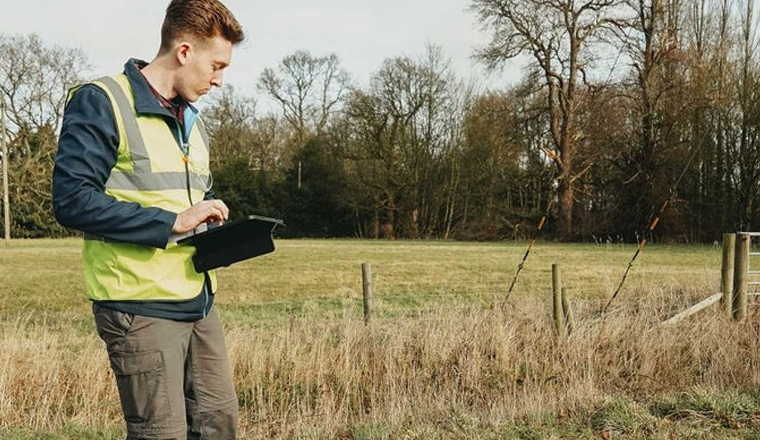
Survey - Groundwater Independent Flood Risk Assessment
Identifies hidden flood risks – Groundwater flooding is not always visible on standard flood maps. A survey can reveal whether water is likely to rise beneath a property — particularly important for basements, cellars, or properties on low-lying land.
Assesses site conditions – The survey evaluates soil type, geology, drainage capacity, and existing water levels, helping to determine how susceptible a property is to groundwater flooding.
Informs flood resilience measures – If a risk is identified, the survey can guide decisions on protective measures such as sump pumps, waterproofing, or raising internal floors
